

Evil Eye Meaning: History, Colors and How to Use It
The evil eye is the old, widespread belief that an envious or overly admiring look can bring someone bad luck. The term also names the blue eye-shaped charm people wear or hang up to turn that look away, so the evil eye’s meaning covers both the harm and the protection against it.
The idea is found from the Mediterranean to South Asia and Latin America, and each culture has its own name and remedies. This guide covers where the belief comes from, what the charm colors are said to mean, and how to choose, place, cleanse and replace an evil eye of your own.
As with any folk tradition, a charm is a symbol and a personal reminder rather than a promise. Many people just find it comforting to keep one close.
Table of Contents
What Does the Evil Eye Mean?
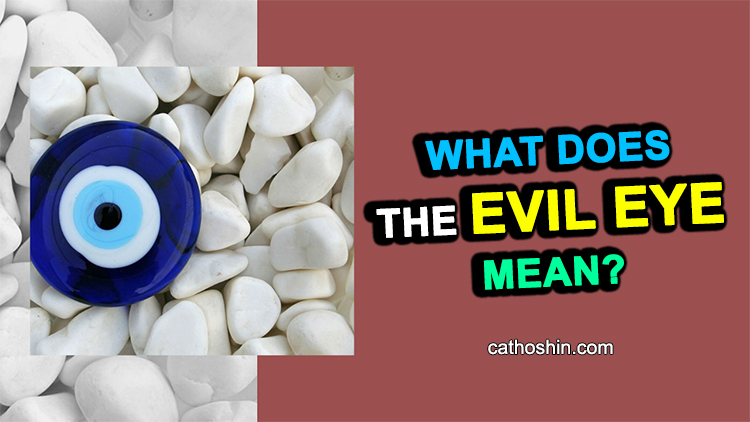
At heart, the evil eye is about envy. The traditional belief is that when someone looks at you, your family or your good fortune with jealousy, that look carries a kind of harmful energy. In many traditions the person giving the look doesn’t even have to mean it. Heavy praise with no blessing attached was also thought to be risky.
So when people ask about the evil eye’s meaning, there are really two answers:
- The look itself: the envious gaze, which many cultures believe can bring a run of small misfortunes, a drained feeling, or plans going wrong for no clear reason.
- The charm: the eye-shaped amulet, often made of blue glass, that is said to “look back” at the envious gaze and reflect it away from the person wearing it.
In the past, people blamed the evil eye for everything from headaches to a fussy baby. Today it’s best understood as a cultural belief and a symbol of protection. If you feel physically or emotionally unwell, see a doctor or counselor first. A charm can sit alongside that care, but it can’t replace it.
Where the Evil Eye Belief Comes From
The belief is very old. Writers in ancient Greece and Rome discussed the harm an envious gaze could do, and similar ideas appear across the Mediterranean and the Middle East. Eye-shaped beads have a long history in this region, and the tradition spread with trade, migration and religion.
Because it traveled so far, the evil eye has many local names:
- Mati in Greece, where blue eye charms are a common gift for a new baby or a new home.
- Nazar in Turkey and much of the Middle East and South Asia. The blue glass nazar boncuğu bead is probably the best-known evil eye charm in the world.
- Mal de ojo in Spain, Mexico and much of Latin America, where a traditional healer may perform a limpia (cleansing), sometimes by passing an egg over the person.
- Malocchio in Italy, where some families still check for it by dropping olive oil into a bowl of water and reading the shapes it makes.
- Ayin hara in Jewish tradition, often answered with a protective phrase or a red string.
The common thread is simple: good fortune can attract envy, and envy should be gently turned away. If you’d like to read more about the history, Wikipedia’s evil eye article is a good overview.
Evil Eye Color Meanings
The classic evil eye is dark blue, but today evil eye colors range across the rainbow, and each one is linked with a particular kind of protection or blessing. These color meanings come mostly from modern charm makers and jewelry traditions rather than from one ancient source, so you’ll see small differences between sellers. Use them as a way to match a charm to your intention.
| Color | Commonly associated with |
|---|---|
| Dark blue | Classic protection, calm, and guarding your luck and fate |
| Light blue | General protection, peace, and a clearer view of a situation |
| White | Purity, cleansing, clarity, and fresh starts |
| Red | Courage, energy, and protection from fear |
| Orange | Creativity, joy, playfulness, and confidence |
| Light green | Happiness, wellbeing, and new ideas |
| Dark green | Balance, freedom, and success in new projects |
| Gold or yellow | Vitality, focus, and abundance |
| Brown | Grounding, stability, and a connection to nature |
| Pink | Friendship, kindness, and calm in relationships |
| Purple | Imagination, ambition, and spiritual awareness |
| Grey | Emotional balance and protection from sadness |
Some practical tips for choosing a color:
- If you’re unsure, start with dark or light blue. These are the traditional colors and are used for general protection.
- Choose by what you want to protect: orange for a creative project, green for a new venture, pink for friendships.
- Or simply pick the color you feel drawn to. That’s a perfectly good way to decide.
If you’d like to wear your charm, our guide on whether evil eye bracelets work explains what to expect from one.
How to Protect Yourself From the Evil Eye
Most traditions pair a visible charm with small everyday habits. You don’t need all of these, so choose the ones that feel natural to you.
- Wear or carry a charm. A bracelet, a necklace or a small bead in your bag keeps the symbol with you all day.
- Add a blessing to praise. In many Muslim communities a compliment is followed by “mashallah” (“God has willed it”), and in Yiddish-speaking families by “kein ayin hara” (“no evil eye”).
- Use the symbolic “spit.” In Greece, people may say “ftou ftou ftou,” a light spitting sound, after praising a child or a piece of good news.
- Tie a red string. A red thread around the wrist is a protective tradition in several cultures.
- Keep good news a little private. An old piece of advice is not to boast about good fortune before it’s settled, which is also good practical sense.
- Cleanse your space. Salt, incense, fresh air and a tidy home are common ways to clear a heavy feeling. Our list of signs of negative energy in a home can help you decide whether a cleansing is worth doing.
A simple ritual for a new charm
If you’d like a short ritual before you start wearing a new evil eye, try this:
- Light a white or blue candle in a fire-safe holder and sit quietly for a minute.
- Hold the charm in your palm and take three slow breaths.
- Say: “Eye of blue, watch over me. Turn envy away and let me be. What is meant for me, may it come gently.”
- Put the charm on or set it in its place, then snuff the candle. Never leave a flame unattended.
Think of this as setting an intention. It doesn’t make you untouchable and results are never certain, but many people find it a calming way to begin. If a run of misfortune is what’s bothering you, our guide on how to get rid of bad luck walks through gentle folk cleansing methods.
Evil Eye vs Hamsa: What Is the Difference?
The evil eye and the hamsa are often sold side by side, and many charms combine the two, but they are different symbols.
| Feature | Evil eye (nazar) | Hamsa |
|---|---|---|
| Shape | A single eye, usually blue and white rings on glass | An open palm, often with an eye at its center |
| Main idea | Reflects envy back and away | Protection, blessings and good fortune |
| Other names | Nazar, mati, ojo | Hand of Fatima, Hand of Miriam, khamsa |
| Where it’s common | Turkey, Greece, the Middle East, the Mediterranean, Latin America | The Middle East and North Africa, in Jewish, Muslim and other communities |
The name hamsa is usually traced to the Arabic word for “five,” for the five fingers. A popular modern reading says a hamsa with the fingers pointing up is for protection, while one pointing down invites blessings and abundance. Since both symbols share the same purpose, many people wear them together, and both appear in our guide to good luck charms from around the world.
How to Care for Your Evil Eye Charm
Where to place an evil eye at home
- Near the front door: the most traditional spot, hung above the door or on the wall facing it, so the eye “greets” everyone who comes in.
- In the entryway or hallway: a good choice if you can’t hang anything on the door itself.
- By a window: glass charms look lovely in the light, and windows are seen as another way into the home.
- At your desk: a small charm near your work, especially during a new job or project.
- In the car: if you hang one from the mirror, keep it small so it never blocks your view.
A safety note: small beads, pins and cords are a choking risk. If you follow the tradition of giving a charm for a new baby, hang it well out of reach instead of attaching it to clothing or a crib, and keep charms away from pets too.
How to cleanse an evil eye charm
Many people cleanse their charm every few weeks, after a stressful stretch, or when it simply feels “heavy.” Pick a method that suits the material:
- Running water: rinse glass or ceramic charms under cool water for a few seconds, then dry them. Skip this for wood, string bracelets or metal that tarnishes.
- Moonlight: leave the charm on a windowsill overnight, especially around the full moon.
- Salt: set it beside, not inside, a small bowl of salt overnight, since salt can scratch or corrode some materials.
- Smoke or sound: pass it through incense smoke in a ventilated room, or ring a small bell over it.
Finish by holding the charm and restating what you’d like it to protect.
What it means when an evil eye breaks or cracks
In folk belief, an evil eye that cracks, breaks or falls off has done its job. It is said to have absorbed a strong dose of envy or negative energy that was meant for you. A charm that fades or loses beads is read the same way, as a sign it has worn itself out.
The traditional advice is not to glue it back together or keep wearing it. Instead:
- Thank it, out loud or silently, for its protection.
- Gather the pieces carefully, because broken glass is sharp, and wrap them in paper or cloth.
- Dispose of them respectfully. Some people bury the pieces outdoors, while others put them in the trash with a word of thanks.
- Replace it with a new charm when you feel ready.
Of course, glass also breaks simply because it’s glass. Treating a crack as a nudge to check in with yourself and refresh your space is a healthy way to read it. If you’re noticing other worrying signs too, our guide to bad luck symbols explains what different omens are traditionally said to mean.
Frequently Asked Questions
What is the meaning of the evil eye in simple terms?
The evil eye is the belief that an envious or jealous look can bring someone misfortune. The same name is used for the blue eye-shaped charm that people wear to turn that envy away. So it can mean both the “curse” and the protection against it.
What does an orange evil eye mean?
An orange evil eye is commonly linked with creativity, joy and playfulness. People often choose it to protect a creative project, a happy period in their life, or their own confidence. Like all color meanings, this comes from modern charm traditions, so your own sense of what it means to you matters too.
What does a green evil eye mean?
Light green is usually associated with happiness, wellbeing and fresh ideas. Dark green is linked with balance, freedom and success in new projects. Many people choose green when they’re starting a business, a new job or a personal goal.
What do the colors of the evil eye mean?
Each color is linked with a different focus: dark and light blue for general protection, red for courage, pink for friendship, purple for ambition, and so on (see the table above). Blue is the traditional color, while the others are more recent additions from modern charm makers. Choose the color that best matches what you want to protect.
Final Thoughts
The evil eye is one of the oldest protective symbols still in everyday use, and the evil eye meaning behind it is refreshingly simple: good fortune is worth guarding from envy. Whether you choose classic blue or a color that matches your goals, the charm works best as a daily reminder to protect your peace.
Wear it, hang it by the door, cleanse it now and then, and replace it with thanks if it breaks. And remember that kindness, healthy boundaries and a little privacy about your good news are some of the best protection there is.

Hi am brian please could u help iv been recording for many years with the new evp since i was given this iv very bad look in the picks and recordings keeps showing up a green eye with a purple eye i dont no what it all means but got big probs now with my health please could u help